Batavia, New York, is a charming, historic town where residents enjoy wide-open green spaces, beautiful parks, and nature trails. But when the leaves start to fall and cooler weather prevails, residents prepare for a long, cold winter. With annual snowfall exceeding seven feet and nighttime temperatures frequently dropping below freezing, alternating warm, sunny days and constant moisture can significantly damage masonry structures.
For over sixty years, residents of Genesee County and Western New York have trusted Felgemacher, the leading hearth services and masonry contractor, for certified chimney inspections.
 Why An Annual Chimney Inspection Is Vital in Batavia
Our extreme winter climate and lake-effect snowstorms take a heavy toll on chimneys. Annual inspections are critical for several reasons:
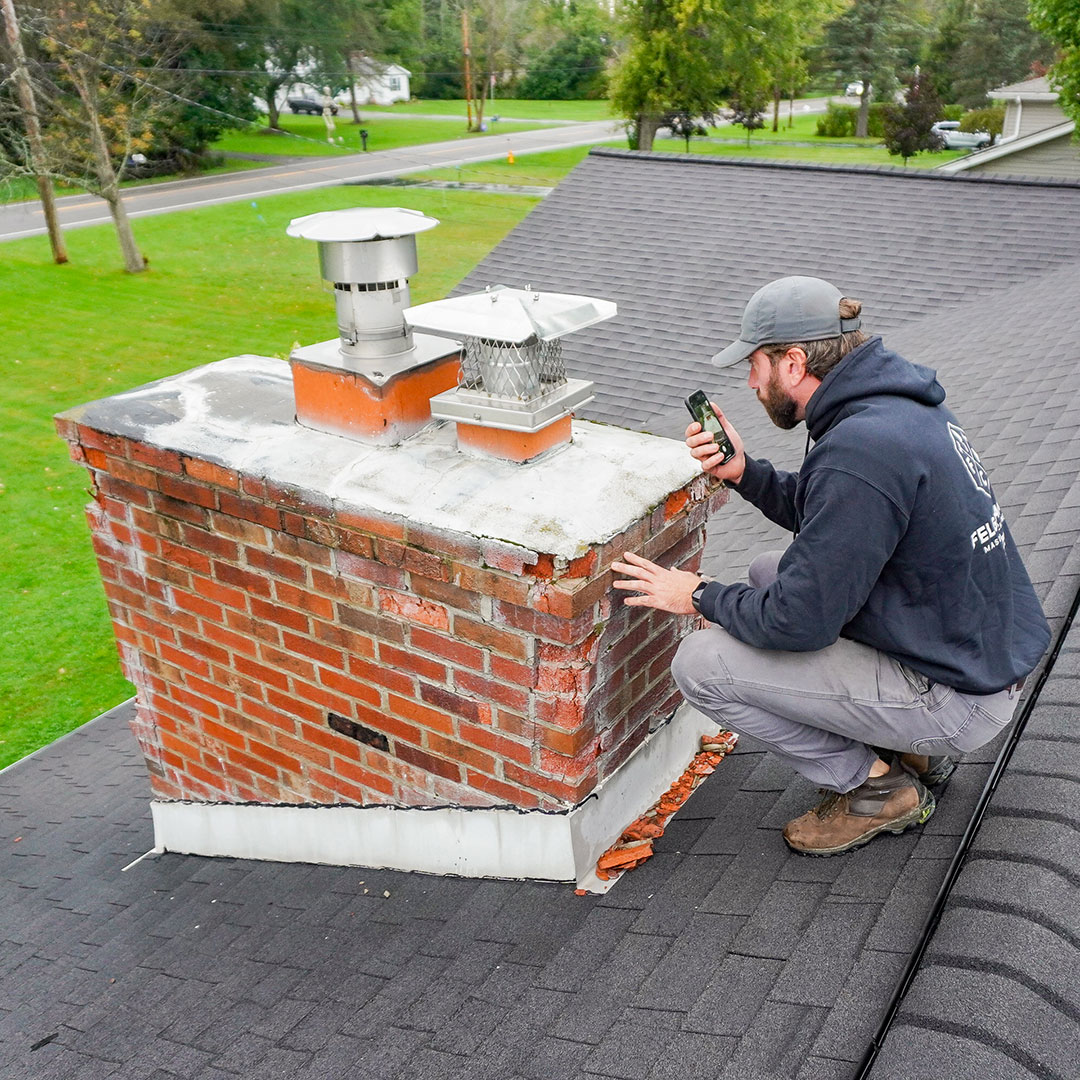
- Checking for Freeze-Thaw Damage: The continuous freezing and thawing cause brick and mortar to crack, spall, and even fall off, eventually destabilizing the stack.
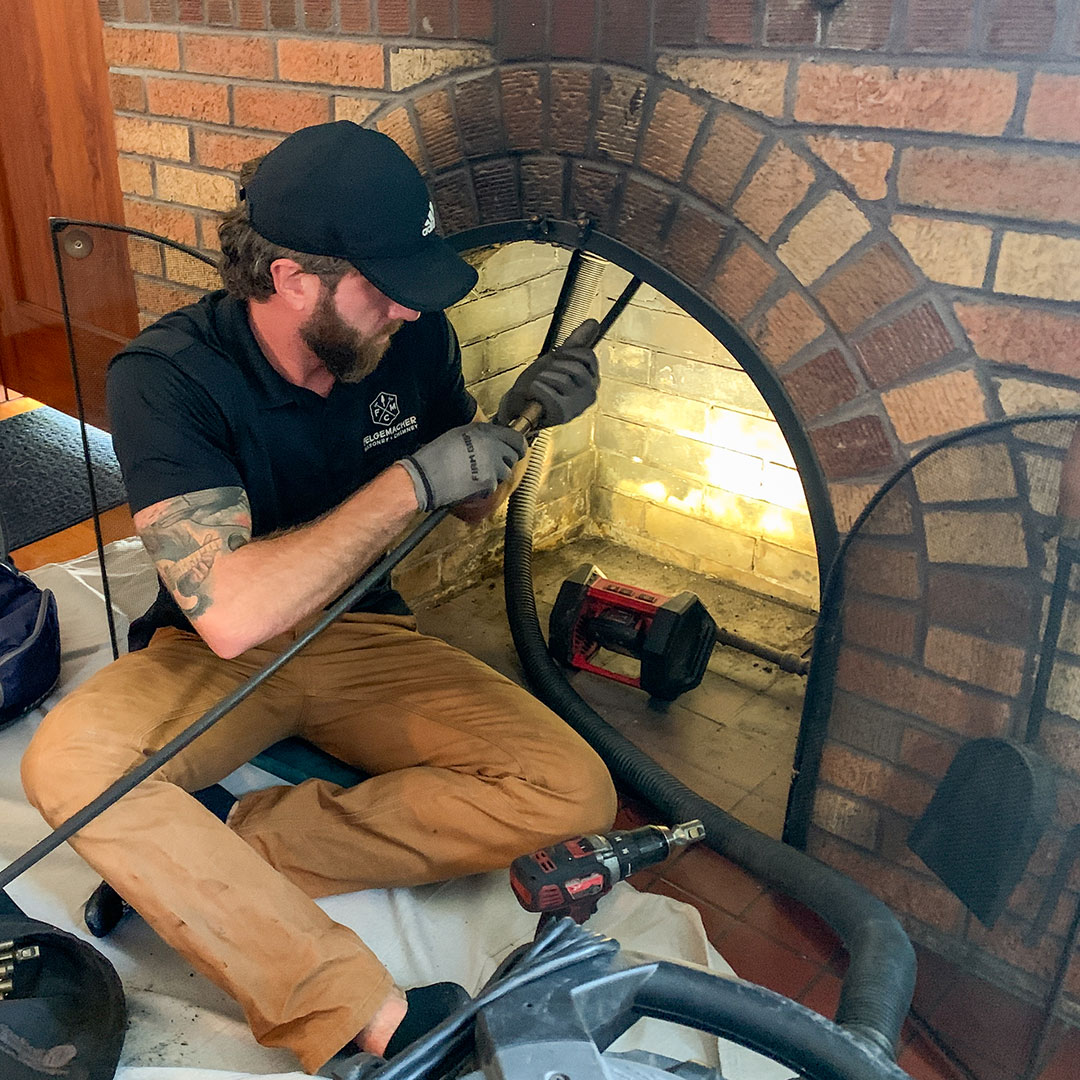
- Eliminating Fire Hazards: Fireplaces and stoves accumulate creosote, a highly flammable byproduct of wood combustion. An inspection identifies dangerous creosote accumulation for removal before it can spark a destructive chimney fire.
- Preventing Carbon Monoxide Poisoning: Cracks in the flue liner or obstructions like animal nests and debris can force toxic gases, including colorless and odorless carbon monoxide, to leak into your living spaces.
- Preserving Your Chimney: Catching small masonry cracks or minor flue tile damage early saves thousands of dollars in repairs compared to a costlier partial or complete chimney rebuild.
What to Expect During a Certified Chimney Inspection
When you hire a CSIA-certified chimney technician, your service follows strict National Fire Protection Association (NFPA) Rule 211 industry standards and codes:
- Level 1 is the basic visual inspection for well-maintained chimneys operating under normal conditions with no changes to the system. The technician conducts a thorough visual inspection of readily accessible parts of the chimney interior and exterior, as well as the vents and appliance connections.
- A Level 2 is necessary if you missed a previous inspection, made changes to your system (e.g., fuel conversion, installing a new liner), had a chimney fire or severe weather event, or recently purchased the property. The CSIA technician will also conduct a video scan of the flue to detect any anomalies that can’t be seen with an unaided eye.
- A Level 3 Inspection is performed when a Level 2 inspection reveals suspected structural hazards that require removing certain components to find the source, such as a water leak.
I Have a Gas Fireplace, Do I Still Need an Inspection?
Yes. While gas fireplaces burn much cleaner than wood-burning units, they still produce moisture and acid during combustion that can “eat” through the liner, increasing the risk of fire, carbon monoxide poisoning, and water leaks. A technician should also check the vent line, gas valves, thermopiles, and glass seals to ensure the gas fireplace isn’t a hazard.
 When to Call Your Chimney Sweep
Schedule your inspection in late summer or early fall, before the first cold snap. However, you should call a certified professional immediately when you notice any of the following warning signs:
- White staining or flaking brickwork on the chimney exterior.
- Damp or musty odors coming from the fireplace.
- Water or bits of tile or mortar in the firebox.
- A damper that is stuck or difficult to open and close.
- Smoke backing up into the room.
- You haven’t had your chimney serviced in over a year.
Schedule Your Chimney Inspection in Batavia, NY
Don’t risk unexpected repairs, safety hazards, or having a homeowners insurance claim denied due to a lack of routine maintenance. Call us, visit our local showroom, or fill out our quick online contact form to schedule your CSIA-certified chimney inspection today. Experience the exceptional quality and dependable service that has made Felgemacher the most trusted name in Batavia, Genesee County, and Western New York for over 60 years.