The Right Way to Use Your Fireplace Damper
Everyone knows that fireplace (and stove) dampers open and close. There’s a handle you use to accomplish this, and it’s pretty easy. But not everyone knows how to use the damper to get the most out of their fires and out of the device itself.
The fireplace experts at the Felgemacher fireplace shop in Cheektowaga, NY, would like to share a few helpful tips on using your damper correctly.
 Two Types of Dampers
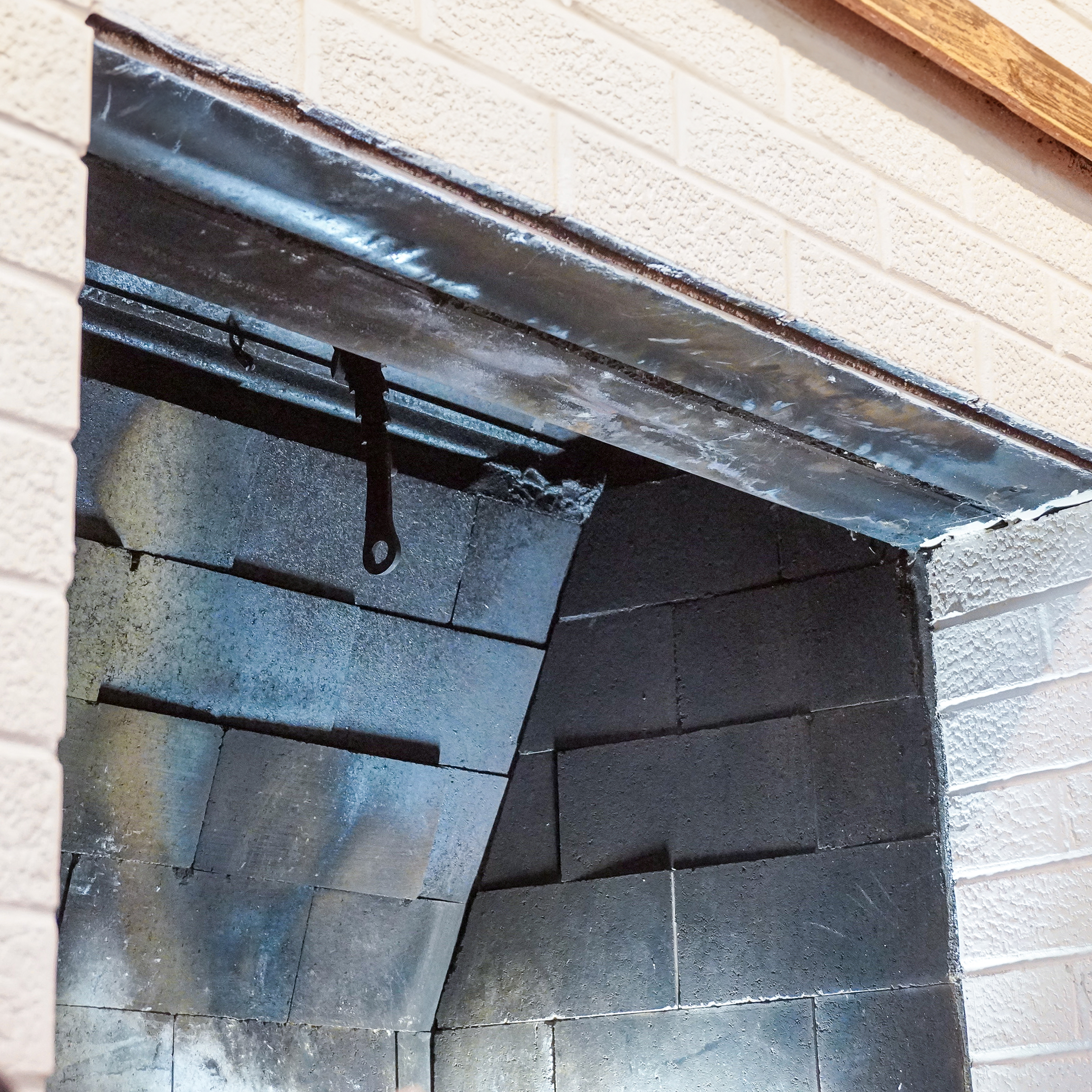
The most common damper style is known as a “throat damper” and is located just above the firebox in fireplaces and stoves. Another style of damper that’s growing in popularity is known as a “top-mount damper,” which is installed at the top of a chimney.
Both damper models operate similarly; the main difference is that with a top-mount damper, you’re able to keep rain, snow, debris and animals out of your chimney flue.
Open and Closed is Just the Start
When you’re getting a fire started, you should open your damper fully to allow as much air as possible to be brought into the appliance and over the burning wood. Air is one of the keys to building a robust fire.
(A side note here: Tree debris, animal nests and built-up creosote and soot will narrow the drafting passage in the flue. This will cause sluggish drafting, no matter how wide open your damper is. It’s recommended that you have your chimney professionally cleaned once a year.)
When the fire is over and out, you’ll want to fully shut the damper. There’s no need for air at this time; in fact, air moving through the chimney when the fireplace isn’t in use can lead to some aggravating problems. Here are three of them.
Chimney Odors
Chimneys naturally smell because of the creosote and soot inside them. Removing these substances by chimney sweeping will cut down on the odor, but it won’t eliminate it completely. A closed damper keeps odors at bay. If you’re dealing with a smelly chimney, we can help with a professional chimney sweep.
Loss of Conditioned Air
At times of the year when you’re using your home’s heating and air conditioning systems, an open damper will do what it does best: facilitate a draft that will suck the conditioned air up and out of your home. It will also let hot or cold outside air move into your living spaces.
Downdrafts
Picture this: you’re getting ready for a party and you’ve just finished using your fireplace. As soon as guests start arriving, a whoosh of air sweeps down the chimney and blows ash and combustion particles all over the room. Close your damper after fireplace use and enjoy your party.
Using your Fireplace or Stove Damper During a Fire
When a fire is going, the damper will be instrumental in controlling the flames and heat.
You’ll have to experiment with this, but here’s the rule of thumb: the farther open the damper, the greater the flames and combustion; the narrower the damper’s opening, the more subtle the fire.
Getting good at adjusting your damper’s opening will give you a lot of control over:
- The amount of heat the fireplace or stove produces
- How fast you go through firewood
- How long your fires last
- The vibrancy of the visuals in your firebox
 Is it Time to Replace your Damper?
Dampers finally wear out after years of service. If it’s time to replace yours, visit Felgemacher at 2727 Broadway, Suite 5, Cheektowaga, NY, and let one of our associates direct you to exactly what you need.
If you have questions about your damper or other parts of your fireplace and chimney system, speak with an expert in our shop, on the phone, or through our handy contact form.