The Benefits of Burning Only Seasoned Wood in Your Fireplace
Seasoned firewood that’s been drying for at least 6 months is ideal for burning in your fireplace. Freshly cut logs are no good in a wood-burning fireplace under any circumstances. Felgemacher of Rochester, NY, and Buffalo, NY, would like to explain why.
 Wood contains moisture
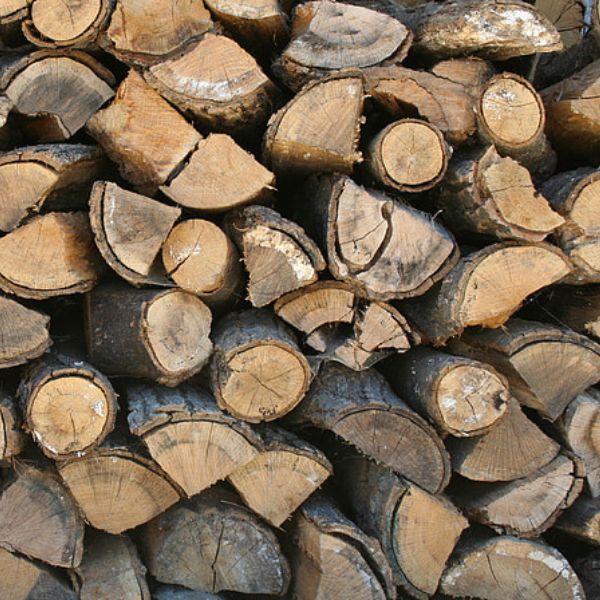
Sap and other natural moisture keep trees alive and growing. When a tree is harvested, and parts are cut for firewood, it retains moisture for as long as 6 months, and sometimes longer.
At the time of harvesting, logs may contain 40% to 50% moisture. When burned, this wood will sizzle and pop, making a ton of smoke. If you’ve ever seen a bonfire with soggy driftwood on a beach or by a lake, you know what we’re talking about.
The problems with smoke
Because your fireplace is in your home and not on a beach, smoke is a serious problem for two reasons.
-
Smoke backups
Excess fireplace smoke may not be able to get up past your damper and into the flue. The only other place for it to go is your room.
Smoke itself is bad enough, but smoke created during an inefficient burn can contain high levels of carbon monoxide. This gas is invisible and odorless, and it’s known to be potentially harmful to humans and animals.
There are cases of carbon monoxide poisoning from fireplaces, water heaters, furnaces, stovetops, ovens, and other flame-based appliances every year. In all instances, the victims had no idea there was carbon monoxide in the air until symptoms such as headaches, coughing, shortness of breath, and dizziness began to set in.
-
Creosote buildup
Creosote is a substance that naturally forms when smoke condenses in the chimney. The more smoke, the more creosote.
Throughout its lifecycle, creosote can be puffy, flaky, sticky, or solid, and all forms are highly flammable due to their high oil and resin content. Tests have determined that as little as 1/8 of an inch of creosote can ignite.
Your chimney liner is designed to help manage a small and brief chimney fire. But over time, liners can become damaged, allowing flames to escape and set parts of your home on fire. That’s with a small chimney fire. With a major chimney fire, containment is rarely as effective.
There’s no way to prevent creosote in your flue, but you can have it swept out by a professional chimney sweep once a year. This job, along with a chimney inspection, will keep your chimney operating more safely and more efficiently.
 How you get your firewood
If you cut your own firewood, make sure to let it dry out for at least six months in an area free from rain and snow.
If you buy pre-cut firewood, ask the seller how long it has had to cure and dry out. You can test the wood yourself:
- Dry wood will have cracks and splits at the log ends.
- Whack two logs together: you’re listening for a light hollow sound rather than a heavy thud.
- Bark will be easier to pull off a dry log than a recently harvested log.
You can also buy kiln-dried firewood, which contains even less moisture than standard seasoned logs.
Call your Rochester, NY, and Buffalo, NY, chimney experts
Felgemacher is here to help you take care of your chimney with expert chimney sweeping, chimney inspections, and chimney repairs. Reach a chimney pro by phone or through our contact form.