Freeze-Thaw Warning: January’s Silent Killer
New York winters are tough for homeowners. The winter poses challenges for upkeep, and January can be the most damaging month of all. Fluctuating temperatures and excess moisture mean that homes are tested by the perfect equation for chimney damage. The worst part is that many homeowners don’t realize this type of damage until it’s visible. By then, performance and safety could already be affected and more costly to address.
 Warning Signs Homeowners Commonly Miss
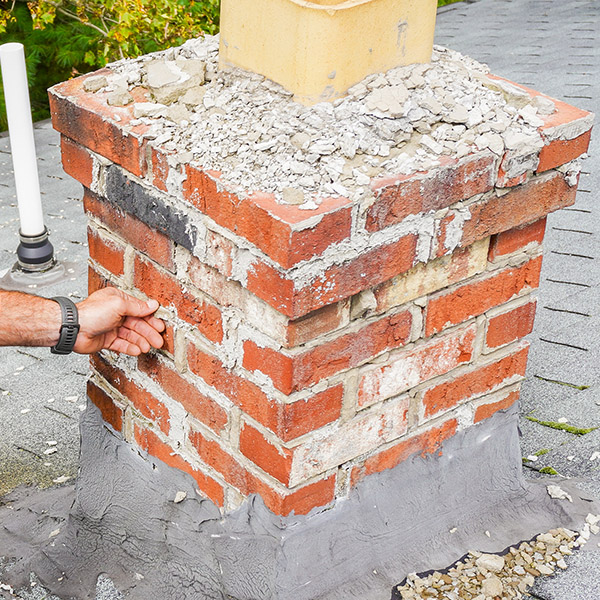
Freeze-thaw damage doesn’t always show up dramatically. Some of the most common warning signs to look out for are:
- Flaking or crumbling bricks (spalling)
- Mortar joints that appear cracked, loose, or worn
- White staining on brick surfaces (efflorescence)
- Rust on chimney caps, dampers, or firebox components
- Musty odors or moisture stains around the fireplace
If you notice any of these issues, there’s a good chance that moisture is already affecting your chimney, and professional assistance can help.
Why January Creates the Perfect Conditions for Damage
January’s temperatures are often just around freezing. This allows for snow to melt during the day and heavy rain to fall while temperatures plummet overnight. As freezing and thawing repeat, it puts stress on chimney materials, especially brick and mortar. Since these materials are naturally porous, they absorb more water than they appear to.
To add to this, fireplaces are used more often during mid-winter, and professional inspections are commonly scheduled either before or after the winter, in the warmer months. This combination allows damage to progress quietly throughout the season.
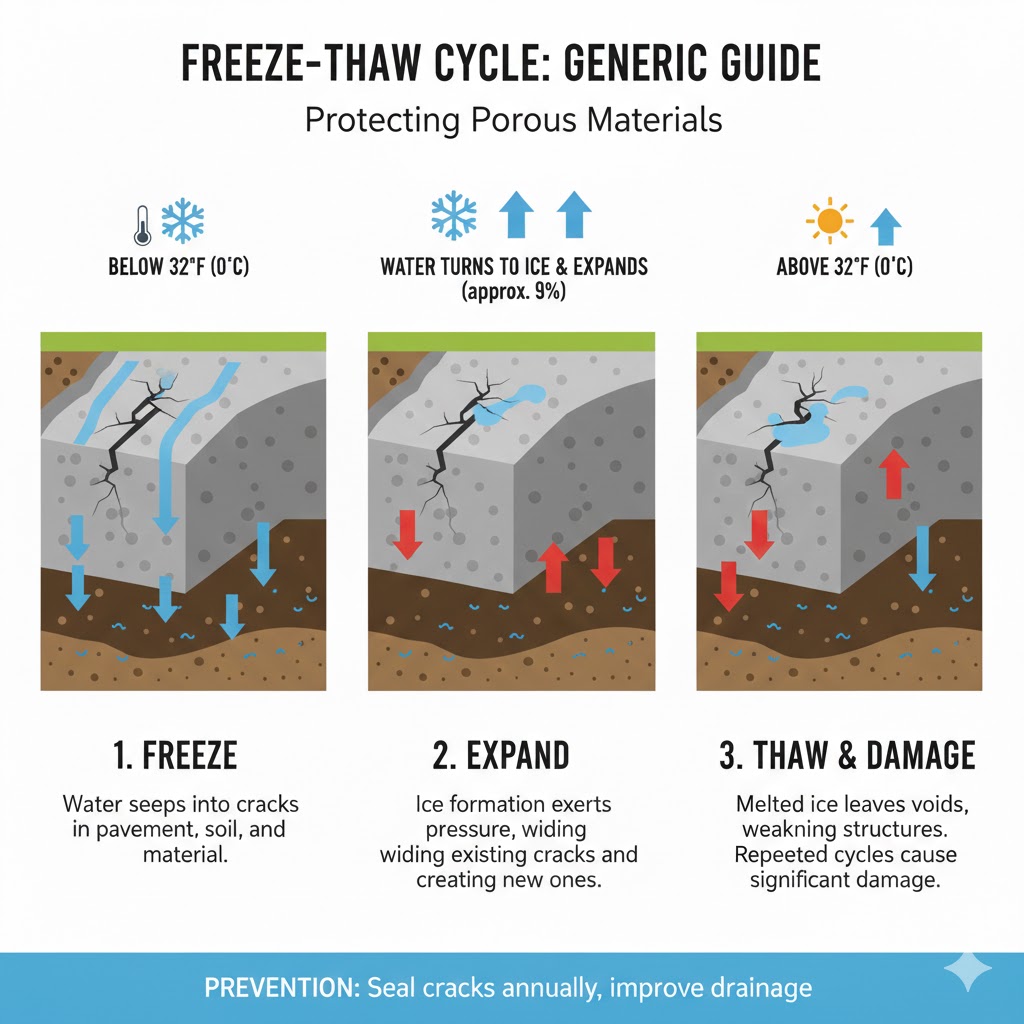
How the Freeze-Thaw Cycle Damages Chimneys
Even small, hairline cracks in the bricks or masonry can allow water to enter. When that trapped water freezes, it expands, forcing bricks and mortar apart and leaving a larger crack than before. Once temperatures rise, the ice melts, and materials contract, but the cracks remain slightly larger than before.
As this cycle repeats, deterioration and damage continue to impact the chimney’s structure. What may start in November as a small crack can double in size by March, when spring comes around.
Why Early Damage Becomes Expensive Quickly
Freeze-thaw damage rarely stays minor. Tiny cracks can grow into significant gaps after only a few bitterly cold nights. The real damage occurs when cracks become large enough for water to reach flue liners or interior walls, leading to more serious, costly repairs. Addressing problems early helps prevent safety issues and protects the chimney’s overall structural stability.
How to Protect Your Chimney This Winter
The number one way to get ahead of this damage is by keeping up with routine chimney inspections. A professional can identify any troubled areas and determine the best fix. This may be masonry waterproofing or repairs to chimney caps and crowns. Either of these easy steps helps reduce water intrusion and limit future damage.
Felgemacher: Trusted Chimney Care for New York Homes
Felgemacher has decades of experience helping homeowners protect their chimneys from harsh winter weather. When winter threatens your chimney, you can rely on Felgemacher for knowledgeable, dependable service.