Why Flashing is Critical for Your Chimney
Be honest. How often do you think about your chimney? For most homeowners, the answer is rarely, but when it comes to protecting your home, the chimney is crucial. This might make you think about the bricks, the liner, and the cap—all crucial components—but you also have to consider the flashing.
Properly installed flashing keeps water from seeping into the space where the chimney meets the roof. Without it, even the most well-built chimney can become a source of water intrusion and costly damage.
Here’s why chimney flashing is crucial for your chimney.
 What is Flashing?
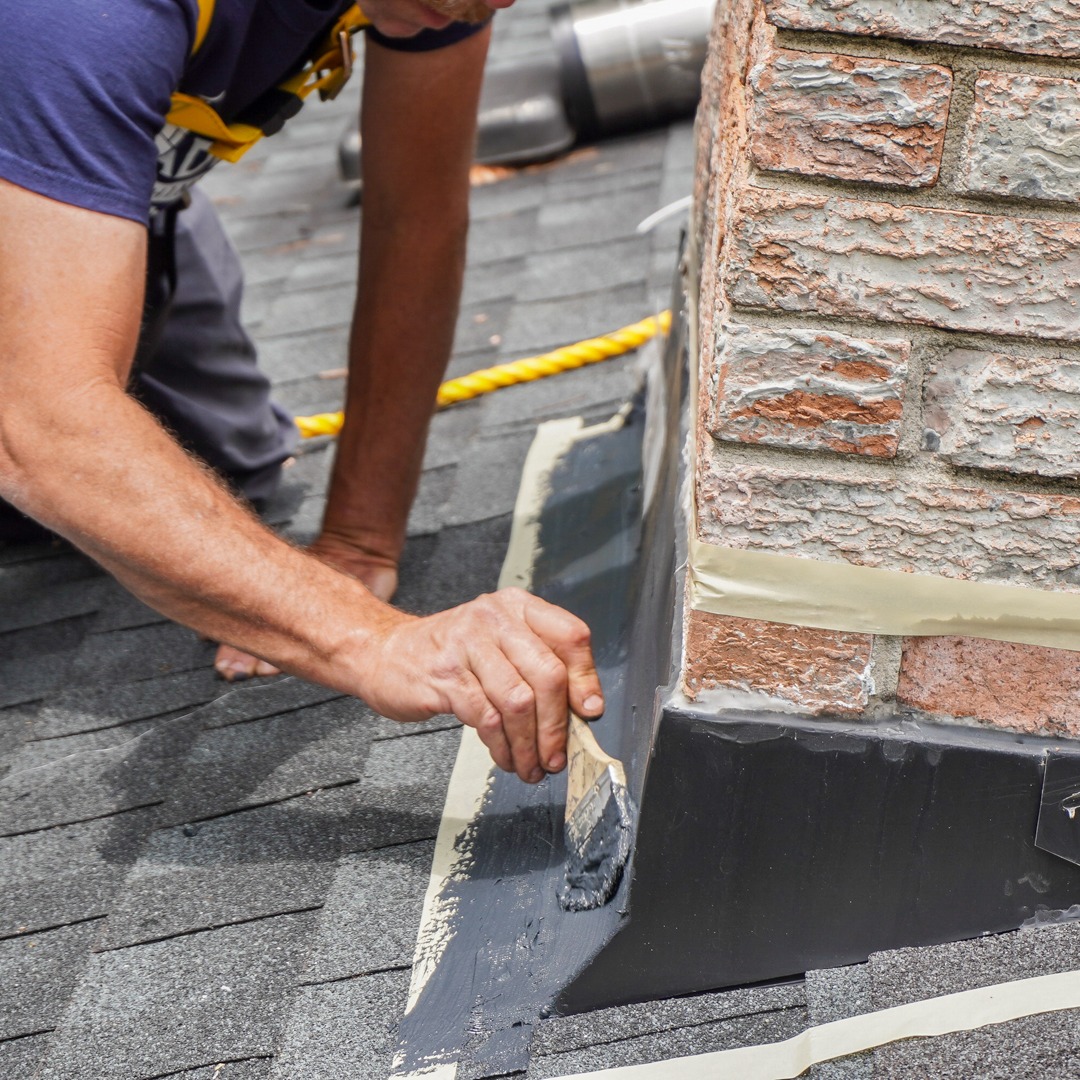
Flashing is typically made of metal, such as aluminum, copper, or galvanized steel, and is installed in layers around the chimney’s base. Although simple, it’s crucial because creates a watertight seal that directs water away from the chimney and the roof intersection. This area is prone to leaks because two different structures are expanding and contracting at different rates in response to temperature changes.
Prevents Costly Water Damage
One of the biggest reasons flashing is critical is its role in preventing water damage. Water is one of the most destructive forces your home faces, second only to fire damage. If the flashing is missing, damaged, or wasn’t installed properly, rainwater and melting snow can seep into the roofline. Over time, this leads to rotting wood, mold, and structural damage. What starts as a small leak around the chimney can quickly spread to ceilings, walls, and insulation.
The Risk of Ice Cams in Cold Climates
If you live in an area that experiences harsh winters and cold temperatures, faulty flashing can contribute to ice dams. When warm air escapes through gaps near the chimney, it melts snow on the roof, which re-freezes near the roof’s edge and creates an ice dam that traps more water behind it. Without proper flashing, that trapped water has an easy entry point into your home, compounding the damage.
Protects Your Home’s Interior
Chimney doesn’t just protect your roof; it also protects the inside of your home. Leaks around the chimney can move down, damaging drywall, paint, and electrical systems. You might see water stains on the ceiling or walls, peeling paint, or notice a musty smell. By the time these signs appear, the problem has been developing for a long time.
Extends the Lifespan of Your Chimney
Good flashing helps extend your chimney’s lifespan. Masonry materials like brick and mortar are durable, but they’re not waterproof. When water penetrates these materials, it speeds deterioration, especially during freeze-thaw cycles. When water seeps into small cracks, it freezes and expands, widening those cracks and leading to spalling bricks.
Flashing is the first line of defense against water intrusion, keeping water away from vulnerable areas.
Common Flashing Problems
The bad news is that flashing is often installed incorrectly or corners are cut during construction or repairs. Common issues include: using the wrong materials, failing to secure the flashing properly, or relying too heavily on sealants rather than mechanical barriers. Sealants can degrade over time, especially when exposed to harsh weather.
 Why You Need Regular Inspections
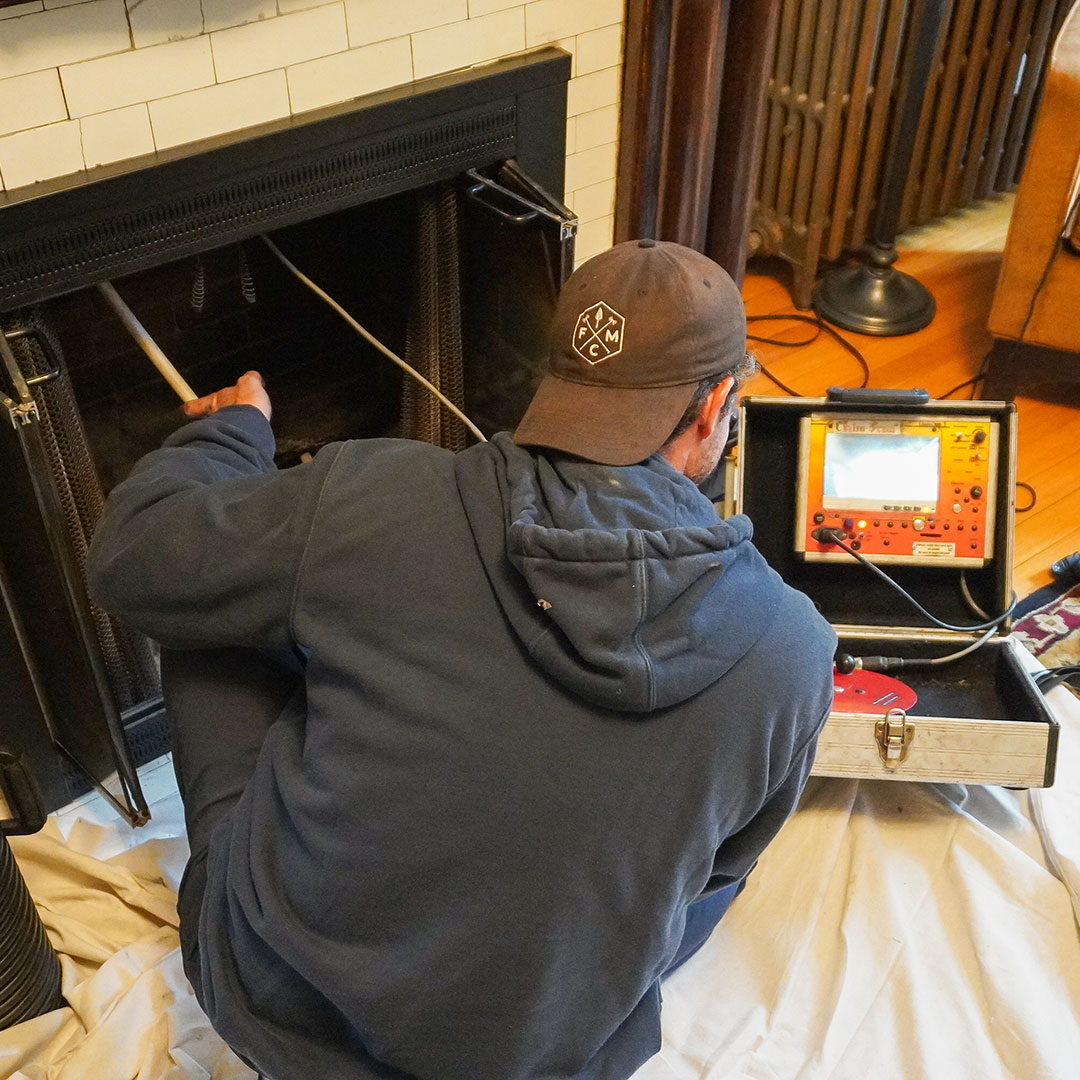
Regular chimney inspections by certified professionals will ensure your flashing and chimney are in good condition. The inspector will look for signs of rust, gaps, loose sections, and visible wear. If you’re replacing the roof, it’s a good idea to have the flashing inspected or replaced at the same time. Fixing flashing issues early is far less expensive than dealing with the extensive water damage later.
Call Felgemacher Masonry & Chimney for an Inspection Today
Winter is over, and spring is the best time to call us to schedule a chimney and flashing inspection. Our experts can spot damage you might miss and fix it, ensuring your chimney and home stay in the best possible shape. Call us today!