Chimney Caps, Flue Covers & Chimney Crowns: What’s the Difference?
Chimney terminology can be confusing, and when it comes to the components that go on the top of a chimney, it can be really confusing. But everything that covers your chimney is important, so Felgemacher of Rochester, NY, and Buffalo, NY, would like to clarify the names and purposes of these components.
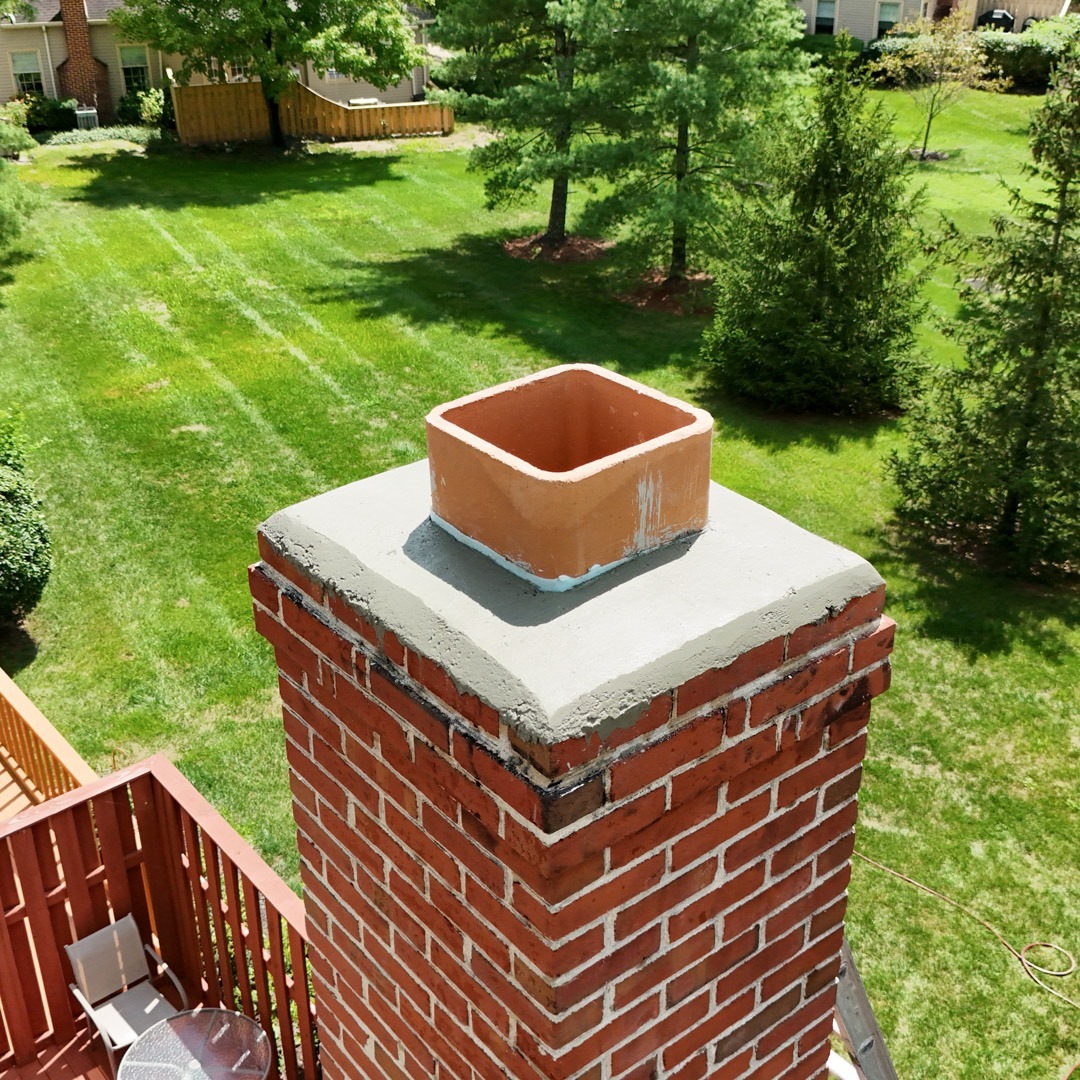
Chimney crown
The crown is the slab of concrete that covers everything at the top of the chimney except the flue opening. Crowns should be made of top-grade concrete and be sloped to allow water to run off. The four edges of the crown should hang slightly over the sides of the masonry to keep water from running down onto the bricks and mortar.
A common problem with chimney crowns is cracking. Cracks can be caused by lightning strikes, powerful hailstorms, house settling, and old age. When cracks appear, water can enter them, setting off a cycle of deterioration. This is made worse when the intruding water freezes and expands, cracking apart even more of the concrete.
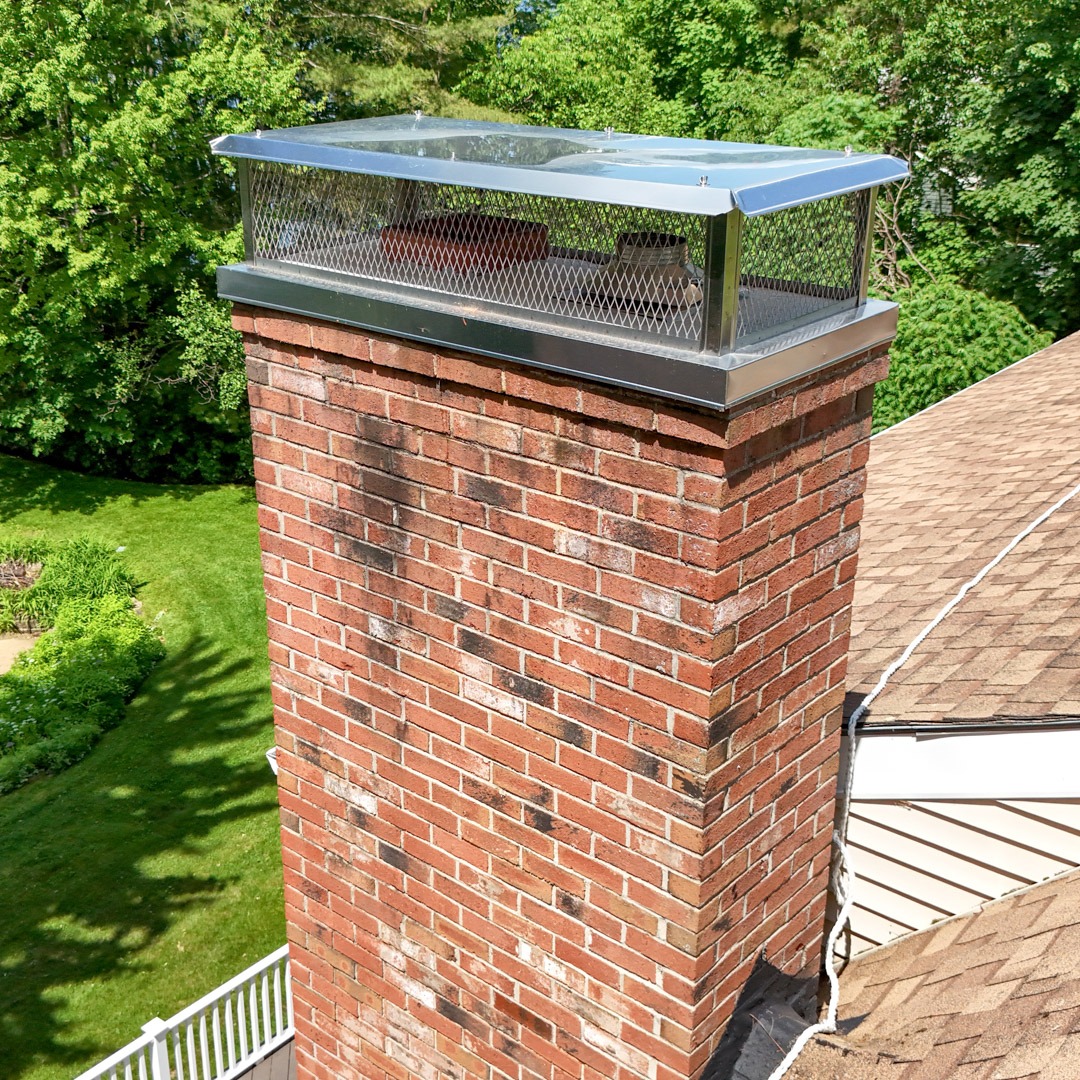
Chimney cap
The terms "chimney cap," "flue cover," and "chimney cover" are often used interchangeably, particularly among homeowners. Most chimney companies use consistent terminology for these components.
We consider a chimney cap to be a full-width, custom-made covering that shields the entire top of a masonry chimney. Caps protect the flue opening/flue pipe from rain, snow, debris, and animals with a solid top and mesh sides that encourage efficient fireplace drafting.
A custom cap also includes a flat component that covers the chimney crown, protecting it and the interior areas of the chimney.
When built and installed correctly, a chimney cap will serve you well for many years. Typical maintenance includes removing debris from the mesh sides and, if necessary, re-securing the cap.
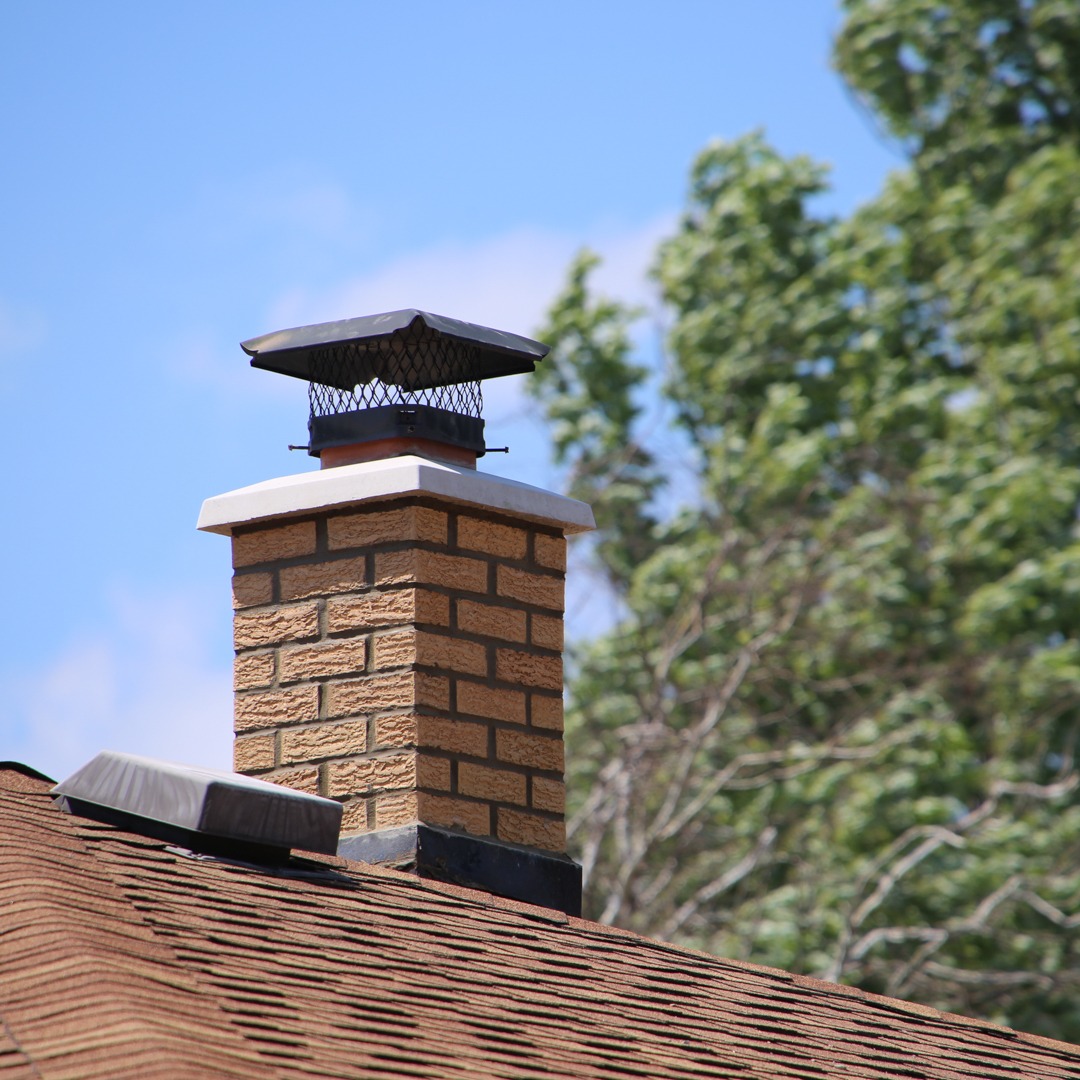
Flue cover
A flue cover shields just the flue opening, not the crown. Like with chimney caps, the job of a flue cover is to keep rain, snow, debris, and animals out of the flue.
Rain in the flue can eventually damage the chimney liner. Debris in the flue can send smoke and deadly carbon monoxide into the home. Animals often build nests that obstruct the flue, and they can die in the chimney, causing horrible odors.
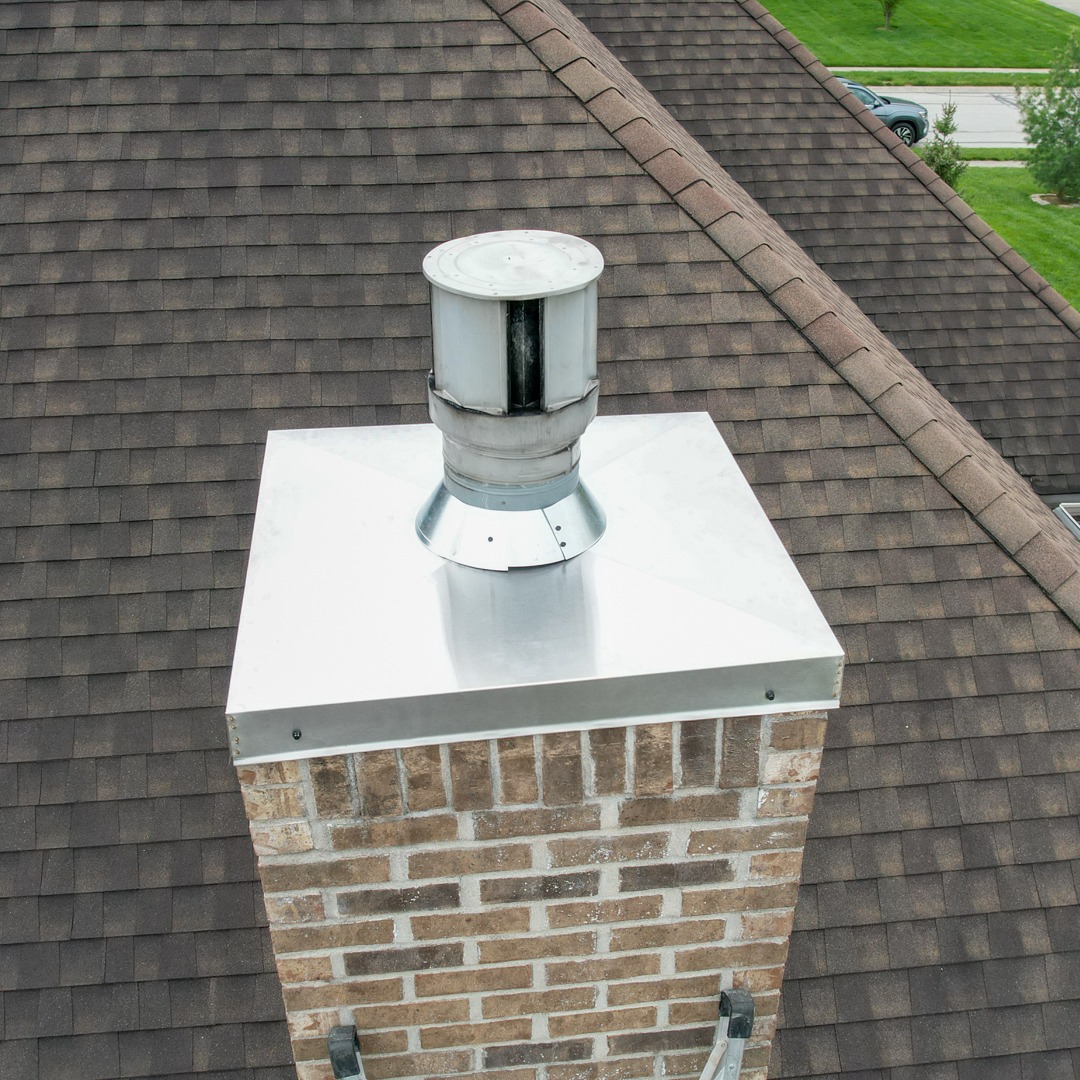
Chimney chase cover
Chase covers are essentially full-width chimney caps installed on chimney chases, which draft manufactured fireplaces. They provide the same protection as a chimney cap.
Beyond the terminology
Now that you have a good idea of what all the stuff at the top of a chimney is called and what it does, the most important thing to remember is that all of these components are in place to help your chimney and fireplace system run efficiently and safely.
Chimney crowns, chimney caps, flue covers, and chimney chase covers should be included in your annual chimney inspection. The inspector will be looking for:
- Loose connections and seals
- Rust
- Warping
- Torn mesh
- Major damage from storms
Yearly inspections will let you get necessary repairs done before the problem gets out of hand.
Call Felgemacher
Felgemacher has served the greater Rochester, NY, and Buffalo, NY, regions since 1953 with expert chimney repairs, inspections, component installations, and chimney sweeping. If you’re having trouble with the components discussed here or any other part of your chimney, call us to get the problem solved the right way.
Reach a New York chimney professional by phone or through our contact form.