Reduce Fireplace Smoke to Help Spring Allergies
If you run a wood-burning fireplace and someone in your home is battling spring allergies that smoke makes worse, there are some useful strategies for reducing fireplace smoke.
Felgemacher works with allergy-prone homeowners in the Rochester, NY, and Buffalo, NY, areas to make their wood fireplaces less smoky, thereby creating better living environments for spring allergies.
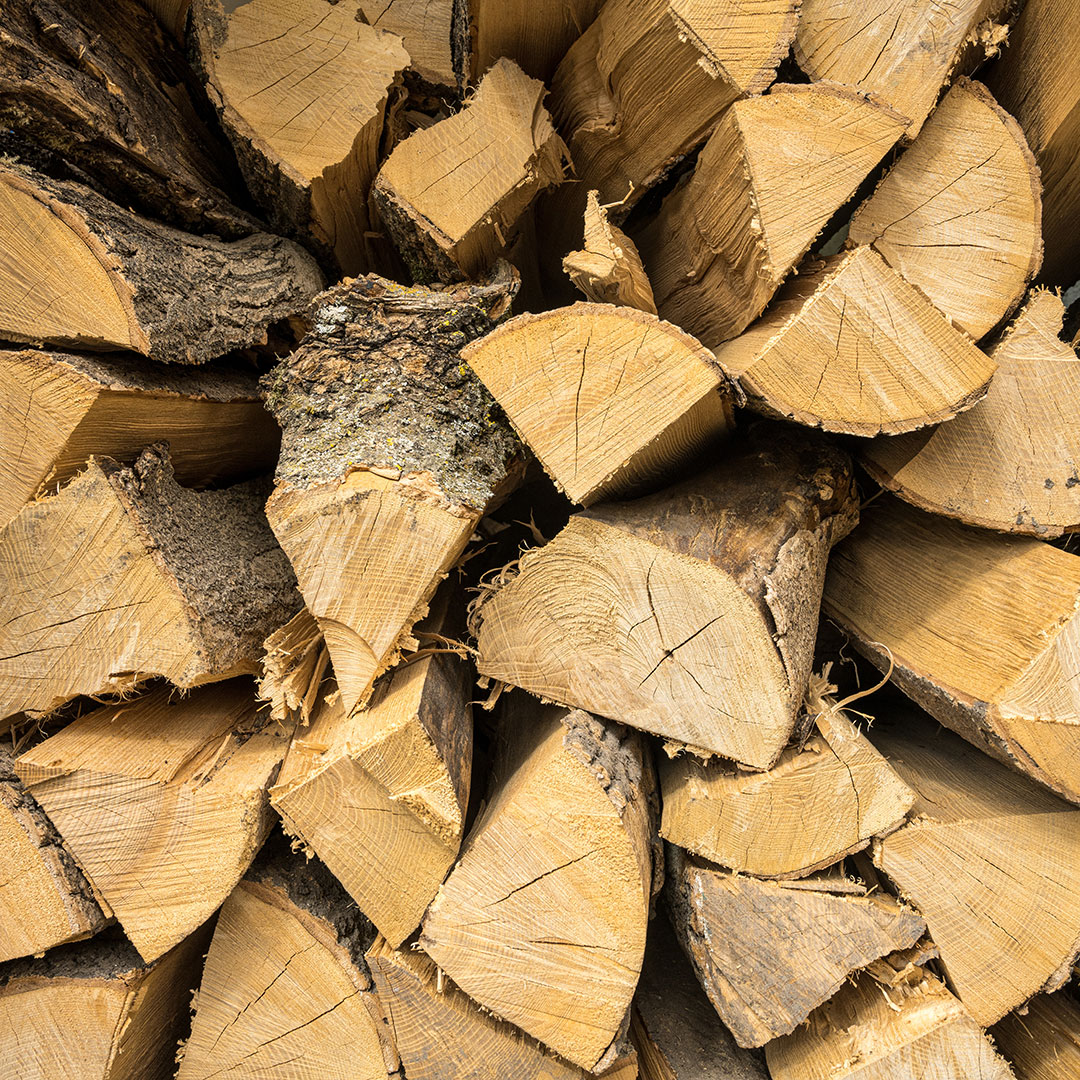
Here are five tips
-
Burn seasoned wood
If there’s too much allergy-triggering smoke in your home, one reason may be that you’re burning firewood that hasn’t had enough time to dry out. Generally, you want to give freshly cut wood about six months to “season” in an outdoor environment that’s protected from rain and snow.
When buying firewood:
- Listen for a hollow rather than a dull sound when you knock two logs together
- See if the bark peels off easily, which it will with dry wood
- Look for cracks and splits on the ends of the logs that indicate dryness
-
Burn hardwoods
Low-moisture hardwoods, such as oak, maple, and hickory, produce less smoke than fir, juniper, and spruce, all of which contain high levels of natural moisture.
-
Burn only wood
Fireplaces are built for burning wood. Never burn clothing, furniture pieces, cardboard, plastics, metals, or anything other than actual cut firewood. Non-firewood items typically produce a lot of smoke and potentially dangerous toxins, which are harmful to people, whether or not they have allergies.
-
Provide an efficient draft up the chimney
If you’re burning dry hardwoods and nothing else, and you’re still getting too much smoke in the room, look at the draft. Common reasons for fireplace smoke not traveling up the chimney include:
- Creosote or debris is narrowing the flue draft passage.
- The fireplace damper is caked with years of built-up creosote or rust
- The damper is broken and won’t open widely enough to let smoke pass.
- The mesh sides of the chimney cap at the top of the chimney are clogged with debris, hindering airflow through the flue.
- The flue diameter or chimney height is incorrect for the fireplace it’s connected to.
-
Don’t pull smoke into the home
Exhaust fans, commonly found in bathrooms and over kitchen stoves, can pull air out of other parts of the home. This includes air that should be flowing into the fireplace during a fire and pushing smoke up the chimney. Window exhaust fans can also cause this problem.
The benefits of chimney sweeping
Chimney sweeping uses specialized tools and equipment to remove built-up creosote and debris from chimney flues. If someone’s spring allergies are being affected by smoke backing up because of an obstructed flue, a proper chimney cleaning might solve the problem.
Chimney companies typically inspect as part of a chimney sweeping job. Inspections can spot early signs of damage and malfunction in the chimney and fireplace system so that you can have repairs made quickly.
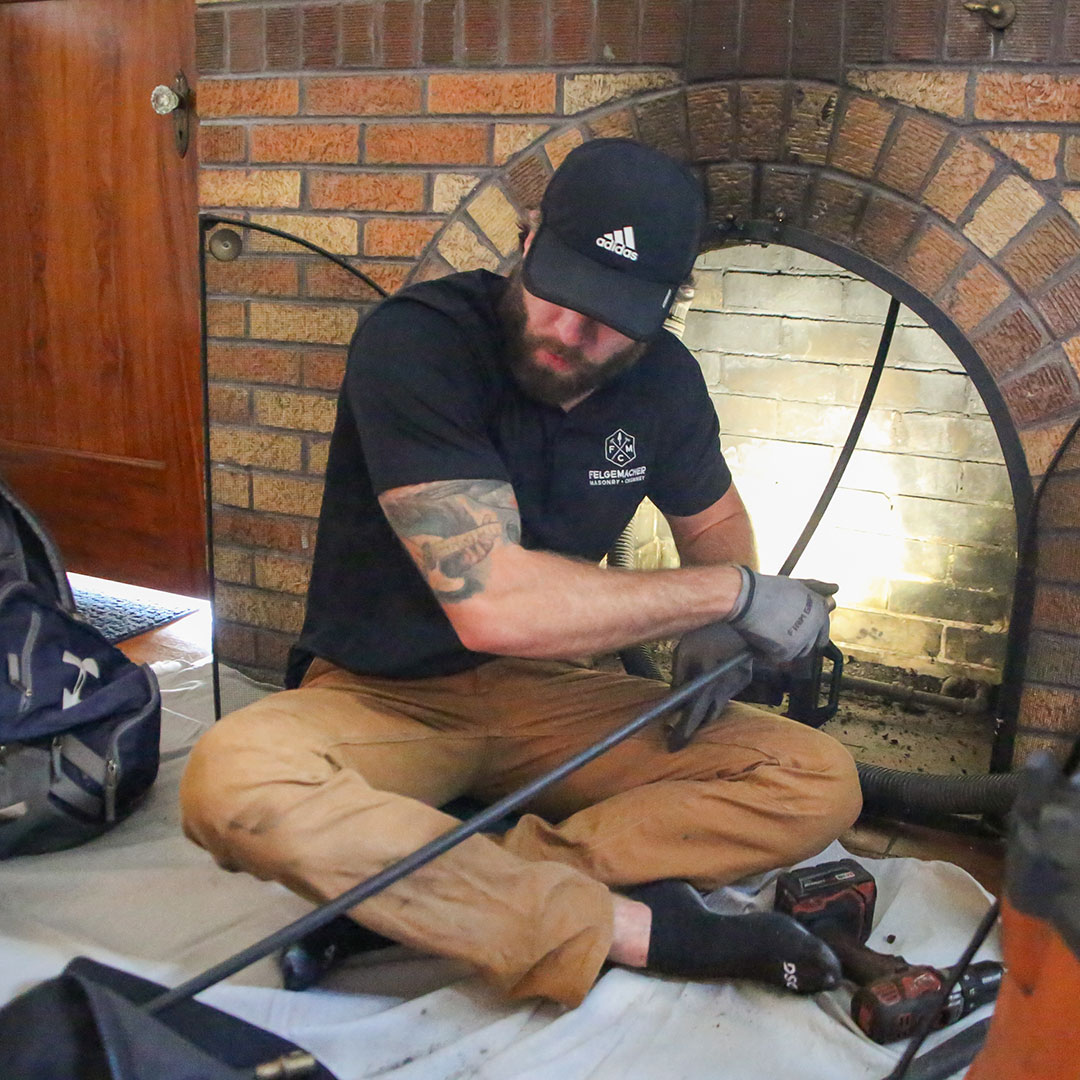 Helping you reduce smoke for spring allergy sufferers
Most of the smoke-reduction tips above are things you can do on your own. If chimney sweeping is required, call Felgemacher in the greater Rochester, NY, and Buffalo, NY, regions. We’ve been cleaning chimneys in New York since 1953.
Get in touch by phone or through our contact form.