Fireplace Ventilation: Why It Matters
For fire to occur, there must be heat, fuel, and air. The match or lighter is the heat; the wood logs are the fuel; the air is the air that’s in your home – but this is where it can become tricky.
Felgemacher of Buffalo, NY, and Rochester, NY, would like to share a little about the importance of proper fireplace ventilation, and it begins with air.
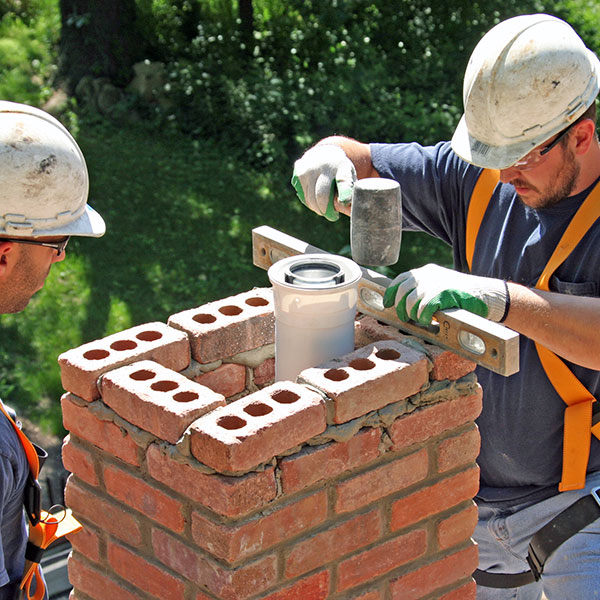 Fireplace and chimney construction
Smoke naturally rises, and chimneys should be constructed with a height and an inner diameter that’s appropriate for the specific fireplace they’re connected to. When everything’s built right, air from your room is drawn into the fireplace during a fire and pushes smoke up and out of the chimney.
7 things that can reduce ventilation efficiency
There are several things that can cause problems.
- Blocked flue
Tree debris, animal nests, and large buildups of creosote and soot will narrow the flue and can cause smoke and deadly carbon monoxide to back up into your home. Solve this by having your chimney swept and installing a secure chimney cap to guard the top of the flue.
- Faulty damper
If the fireplace damper won’t open widely enough, drafting can be impeded. Have the damper inspected and replaced, if necessary.
- Chimney cap clogs
Debris can get into the mesh sides of chimney caps and flue covers and reduce the power of the draft. Keep an eye on your cap, and don’t let junk remain in the mesh.
- Mis-sized chimney liner
A chimney liner that’s either narrow or too wide can hamper drafting. If you’ve been having long-term problems with drafting and have tried everything else, this may be the problem. If the drafting issue began right after you had your chimney relined, talk to the person who did the work.
- Negative air pressure in the house
Exhaust fans in kitchens and bathrooms will create negative air pressure and can pull air away from the fireplace. Turn off these fans and see if it solves the problem.
- Excess smoke from firewood
Your fireplace and chimney may be perfect matches for one another, but if you’re creating massive amounts of smoke in your fireplace, it’s going to end up in your room. Create less smoke with dry (as opposed to unseasoned) firewood, and don’t overfill the firebox with logs.
- Cold flue
During the winter, cold and heavy air inside the chimney flue can prevent warmer and lighter smoke from moving up and out. One quick fix is to hold a lit rolled-up newspaper up past the damper to warm the flue air. A blow dryer can also work.

Chimney on fire with a black smoke coming out.
Results of poor fireplace ventilation
Here’s a checklist of trouble that can be caused by ventilation issues.
- Smoke and carbon monoxide backups
- Excess flammable creosote in the chimney flue caused by smoky, inefficient fires
- More difficulty getting fires started and keeping them going
- More time and expense in running your fireplace
- Chimney odors filtering into the home
Get your Fireplace and Chimney into top shape
Since 1953, Felgemacher has helped homeowners in the Buffalo, NY, and Rochester, NY, areas keep their fireplaces venting efficiently. Learn more by giving us a call or reaching out through our handy contact form.